

Scaling Off-grid Energy – Market Assessments
This study conducted market and end-of-life assessments for off-grid solar home systems and batteries in Uganda and Senegal.
About the project
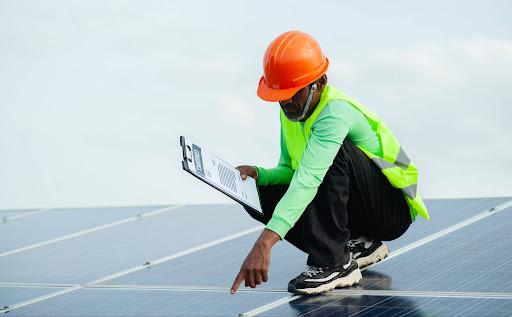
This study conducted market and end-of-life assessments for off-grid solar home systems and batteries in Uganda and Senegal. It was a two-year (2018-2019) study aimed at understanding the emerging off-grid solar home systems (SHS) market in Sub-Saharan Africa, with particular focus on Uganda and Senegal. Funded by USAID’s Scaling Off-Grid Energy (SOGE) program, the study brought together an international consortium including University of California Berkeley, Innovations for Poverty Action, Makerere University, Université Cheikh Anta Diop de Dakar, and CLASP.
The research employed a mixed methods approach to address critical knowledge gaps in the rapidly expanding off-grid energy sector. The first component involved a detailed market analysis of SHS and battery technologies across both countries, examining supply chains, pricing structures, product quality variations, and consumer adoption patterns. Researchers conducted surveys with over 1,500 households in rural Uganda using randomized sampling techniques to understand consumer behavior regarding product selection, usage patterns, and after-sales service expectations. The second research stream focused on end-of-life management, conducting key informant interviews with manufacturers, distributors, repair technicians, and waste management entities to map current practices around product take-back, warranty programs, repairs, upgrades, and disposal. The findings revealed significant environmental concerns as most SHS components ended up in general waste streams with minimal recycling infrastructure. The third innovative component explored emerging battery technologies, assessing their suitability for off-grid applications in tropical climates. The research identified critical bottlenecks including inconsistent product standards, limited technical capacity for repairs, inadequate consumer protection mechanisms, and virtually non-existent recycling systems.
The research findings revealed substantial variations in product performance and lifespan, with many systems failing well before their advertised lifespan due to component mismatches, poor installation, or inadequate maintenance. The research also highlighted gender dimensions in SHS adoption and usage, with women often having less decision-making power in purchases but greater responsibility for system maintenance.
Reports and resources
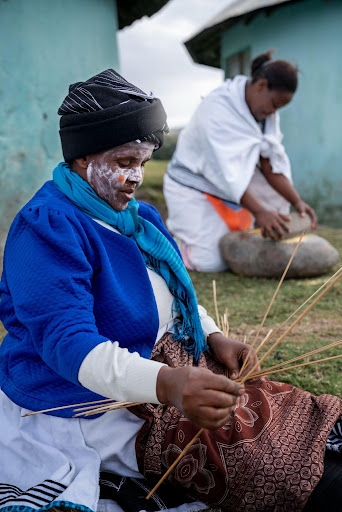 Voices of the Indigenous People of UgandaA four-year (2019–2023) LASER-PULSE buy-in project documenting and seeking solutions to the marginalization and human rights challenges facing the Batwa, Ik and Tepeth indigenous communities of Uganda.View project
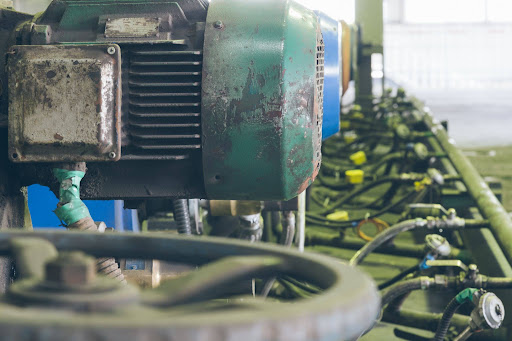 Off-Grid Electric Refrigeration User Centered ResearchAn innovation research project, launched in June 2016 with USAID funding, that explored user needs and adoption barriers for off-grid electric refrigeration technologies in Uganda.View project
 Co-creating Community Agency for Self-relianceA USAID-funded project (2019–2023) with LUANAR that used community co-creation in Uganda and Malawi to tackle youth unemployment, climate vulnerability and gaps in basic education.View project
Have a challenge we could tackle together?
We partner with governments, universities, funders and communities to turn evidence and innovation into lasting resilience.