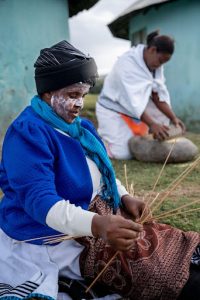


This was a four-year LASER-PULSE buyin project implemented from 2019 to 2023. This project sought to document and seek solutions to the historical marginalization and human rights challenges facing Uganda’s indigenous communities, specifically the Batwa in Southwestern Uganda and the Ik and Tepeth in the Karamoja region. The project was implemented in collaboration between Makerere University, Mbarara University of Science and Technology, Gulu University, and Purdue University.
Participatory action research approaches were used where indigenous communities were actively engaged. The research phase used ethnographic methods and participatory mapping to understand the complex intersections of poverty, displacement, cultural erosion, and rights violations affecting these communities. It specifically documented the persistent human rights abuses and child trafficking among Batwa, Ik, and Tepeth communities.
Based on this research, the project supported local organizations with grants and capacity building initiatives to implement community-designed solutions. In Southwestern Uganda, initiatives included the Sustainable Education Responses for Batwa Children (SEREB) program that developed culturally-responsive teaching materials, trained teachers in inclusive pedagogy, and established community learning centers; and campaigns against gender-based violence that combined legal awareness with economic empowerment for women.
In Karamoja, the Soo Language Heritage Project created written materials and digital resources for language preservation; the Kara-Tunga Foundation developed cultural tourism enterprises that generated income while celebrating indigenous heritage; and the Ecological Christian Organization implemented anti-trafficking interventions addressing root causes through livelihood diversification and community protection committees. Overall, the project amplified the voices of indigenous people, preserving cultural heritage, and creating sustainable pathways for rights realization and improved wellbeing.