
ADAPT: 21st Century Skills in East Africa
Adapting Assessment into Policy and Learning (ADAPT): 21st Century Skills in East Africa
A six-month research and capacity-building initiative (2022–2023), funded by GESCI through the University of Notre Dame, that mapped how 21st century skills are integrated into education systems in Kenya, Uganda and Tanzania.
About the project
This was a six-month research and capacity-building initiative implemented between 2022 and 2023 with funding from the Global e-Schools and Communities Initiative (GESCI) through the University of Notre Dame. The Adapting Assessment into Policy and Learning (ADAPT) project addressed the critical gap between education systems’ traditional focus on academic knowledge and the growing need for skills like critical thinking, creativity, collaboration, and digital literacy. The research used an innovative ecosystem diagnostic approach that mapped the complex interplay of policies, practices, assessments, and stakeholders influencing 21st century skills development. The project conducted ecosystem diagnostic workshops to understand how 21st century skills are integrated into education systems in Kenya, Uganda, and Tanzania.
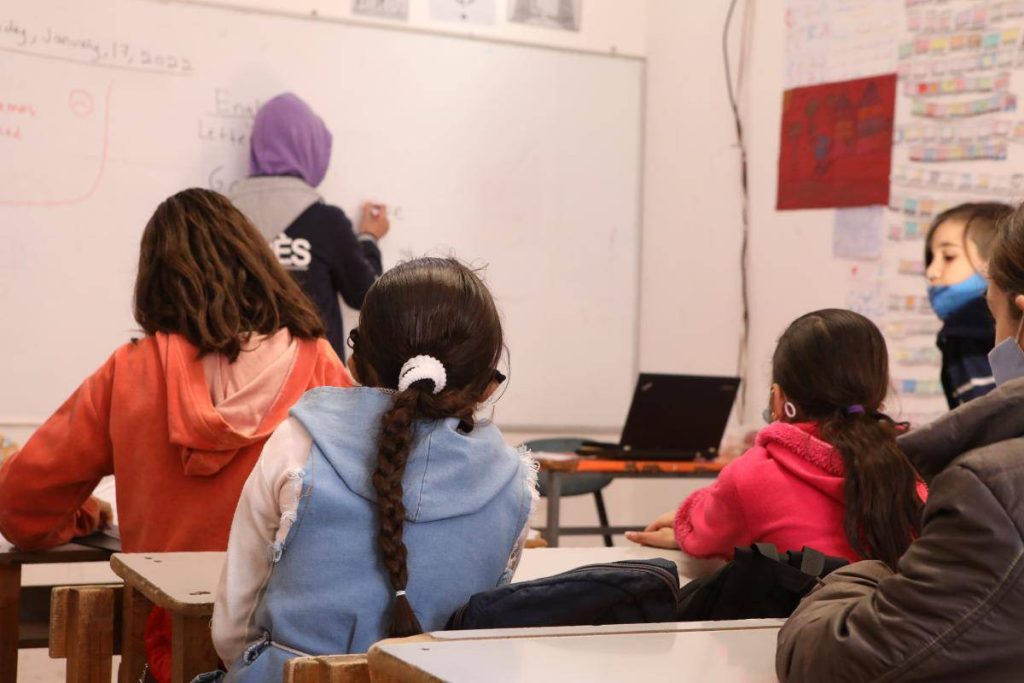
In each country, the research team conducted multi-stakeholder workshops bringing together ministry officials, curriculum developers, examination bodies, teacher trainers, school leaders, teachers, parents, employers, and civil society organizations. These workshops employed systems mapping techniques to visualize how different elements of the education ecosystem currently support or hinder 21st century skills integration. The diagnostics examined several dimensions: policy frameworks analyzing how national education policies, curriculum documents, and assessment frameworks reference 21st century skills; implementation practices documenting how teachers actually develop these skills in classrooms and how schools create supportive environments; assessment approaches investigating whether and how 21st century skills are measured in examinations and classroom assessments; teacher preparation analyzing how pre-service and in-service training addresses these skills; learning resources assessing the availability and use of materials supporting 21st century skills development; and enabling environment considering factors like infrastructure, technology access, and community support.
The research revealed significant challenges: 21st century skills were often mentioned in policy documents but poorly defined and rarely assessed; examination systems heavily weighted toward content knowledge created disincentives for skills-focused teaching; teachers lacked training and confidence in facilitating skills development; and there was limited consensus among stakeholders about which skills were most important and how they should be developed. A key output was country-specific ecosystem maps visualizing the current state and identifying strategic entry points for strengthening 21st century skills integration. The research also developed practical tools for continued ecosystem analysis and improvement planning.
 Off-Grid Electric Refrigeration User Centered ResearchAn innovation research project, launched in June 2016 with USAID funding, that explored user needs and adoption barriers for off-grid electric refrigeration technologies in Uganda.View project
 Demand Sensing and Digital Tracking for MCH in UgandaA two-year project (2017–2019) with Purdue University, funded by the Bill & Melinda Gates Foundation, that developed and tested digital demand-sensing and tracking tools to improve maternal and child health in Uganda.View project
 Voices of the Indigenous People of UgandaA four-year (2019–2023) LASER-PULSE buy-in project documenting and seeking solutions to the marginalization and human rights challenges facing the Batwa, Ik and Tepeth indigenous communities of Uganda.View project
Have a challenge we could tackle together?
We partner with governments, universities, funders and communities to turn evidence and innovation into lasting resilience.