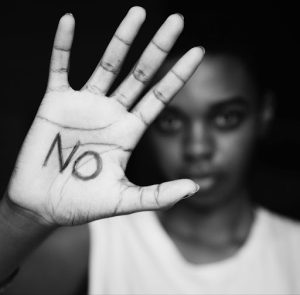

This was a UN Women funded project implemented by RAN between 2016 and 2022. Through the project, we equipped communities with human-centered design (HCD) and co-creation skills to develop innovative, contextually-appropriate approaches to ending violence against women and girls (VAWG) in Uganda.
Recognizing that top-down interventions often failed to address the complex social norms and power dynamics underlying VAWG, this project focused on building community capacity to design and implement their own solutions. The initiative worked across multiple districts, engaging diverse communities including urban informal settlements, rural agricultural communities, refugee settlements, and fishing communities along Lake Victoria – each with distinct VAWG manifestations and underlying drivers. The capacity-building process began with intensive training of community facilitators in HCD methodologies adapted for sensitive topics, emphasizing trauma-informed approaches, ethical considerations in discussing violence, and strategies for creating safe spaces for dialogue.
The co-developed solutions were quite diverse and context-specific: for instance, in fishing communities, interventions addressed the economic pressures and substance abuse patterns contributing to violence; in refugee settlements, approaches considered the trauma of displacement and breakdown of traditional protection systems; in urban areas, solutions tackled the isolation and economic stress in informal settlements. Examples of community-generated solutions included: community alert systems using mobile phones or whistles; economic empowerment collectives reducing women’s dependency on abusive partners; alternative dispute resolution mechanisms that balanced traditional practices with human rights principles; school-based programs engaging boys in redefining masculinity; and cultural events reclaiming positive traditions while challenging harmful ones. The project also strengthened referral pathways between community-based responses and formal services including police, health facilities, and legal aid providers.
This project demonstrated that communities, when provided with appropriate tools and facilitation, could develop more nuanced, acceptable, and sustainable responses to VAWG than externally imposed interventions.