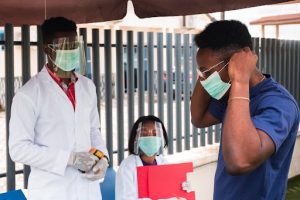


This was a rapid-response project implemented in partnership with QED between June-September 2020 with funding from USAID/Uganda. It used a grass-root situational analysis system to capture information to inform USAID’s COVID-19 response and support in Uganda during the critical early months of the pandemic. With most of the country under partial lockdown and formal data systems struggling to capture rapidly evolving community-level realities, this project created mechanisms for real-time information gathering and synthesis across the country.
RAN leveraged its network of regional university partners across Uganda to coordinate a decentralized but standardized data collection process. The approach combined several innovative elements: rapid training of university teams in COVID-19 data collection protocols emphasizing safety and ethics; development of simple data collection tools focused on practical questions relevant to response planning; establishment of community feedback channels ensuring two-way information flow; and creation of rapid analysis and visualization systems for timely decision support. Data collection focused on several priority areas: community understanding of COVID-19 transmission and prevention measures; availability and accessibility of essential services during lockdowns; economic impacts on households and coping strategies; implementation challenges and unintended consequences of response measures; and emerging community-led innovations in adaptation and mutual support. Information was gathered through multiple channels.
The analysis also highlighted differential impacts on various population groups, with women, youth, elderly, people with disabilities, and refugees facing distinct challenges. The project also facilitated information sharing back to communities, translating findings into practical guidance and addressing misinformation through trusted local channels.