
Assessment of Research Capacity in Higher Education Institutions in Somalia and South Sudan
Assessment of Research Context, Research Capacity and Capacity Gaps in Higher Education Institutions in Fragile and Conflict Affected States: A Case Study of Somalia and South Sudan
An assessment, under the USAID-funded LASER PULSE initiative, of research environments, capacity and gaps in 13 higher education institutions in Somalia and South Sudan.

About the project
The ResilientAfrica Network (RAN), through the USAID-funded LASER PULSE initiative, conducted a comprehensive assessment of the research environment in Higher Education Institutions (HEIs) across Somalia and South Sudan to better understand the opportunities and barriers affecting research in fragile and conflict-affected contexts. The study recognized that universities in these settings have enormous potential to generate locally relevant evidence for development, yet their ability to do so is constrained by decades of conflict, weak institutional systems, limited resources, and insecurity.
The assessment sought to identify strengths and gaps in university research ecosystems, focusing on research infrastructure, institutional systems, research translation, partnerships, sustainability, leadership, gender inclusion, and the broader effects of conflict on research. Using a mixed-methods approach, the study engaged 13 universities through institutional surveys and key informant interviews with university leaders, researchers, and administrators, providing a robust picture of the research landscape in both countries.
The findings revealed that while participating universities demonstrated encouraging strengths in several areas, significant capacity gaps continue to limit research productivity and impact. The weakest areas included research infrastructure, human resource development, research leadership, dissemination and knowledge translation, and sustainable financing for research. Many institutions lacked well-equipped laboratories, modern libraries, reliable internet connectivity, grants management systems, and structured research training opportunities. The assessment also highlighted severe shortages of PhD-qualified researchers, particularly women, with only four female PhD holders identified among 113 across the surveyed institutions.
The assessment underscores the strategic role that universities in fragile settings can play in supporting recovery, resilience, and evidence-informed decision-making. It recommends targeted investments to strengthen research infrastructure, expand institutional research funding, develop leadership and mentorship programmes, promote gender equity in research, enhance knowledge translation, and build stronger partnerships between universities, governments, development partners, and international research institutions.
The assessment provides an important evidence base for governments, universities and development partners seeking to strengthen research ecosystems in fragile settings. Its recommendations call for greater investment in research infrastructure, sustainable financing, leadership development, partnerships, knowledge translation and support for early career and female researchers. By identifying priority gaps and practical actions, the study offers a roadmap for building resilient universities that can generate locally relevant evidence, inform policy and contribute to peacebuilding and sustainable development in conflict affected countries.
Reports and resources
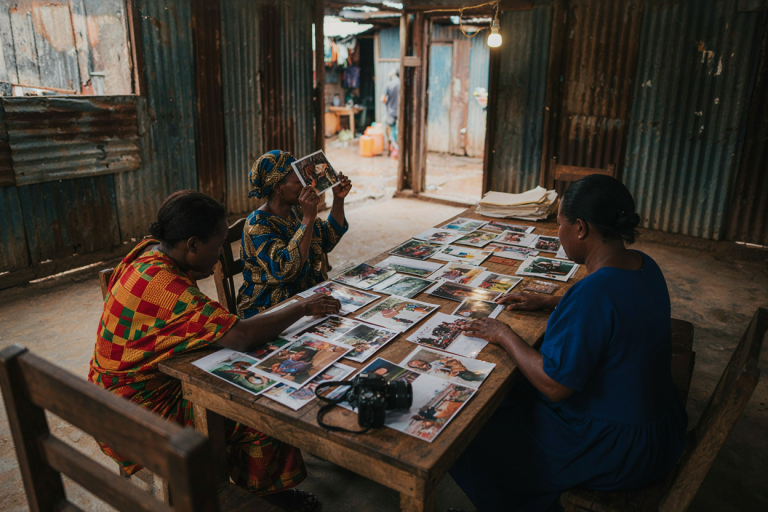 Impact of COVID-19 on Gender-Based ViolenceStudied COVID-19’s impact on gender-based violence in Kampala’s informal settlements using photovoice methodology.View project
 Integrated Climate and Disaster Risk ManagementThis UNDP-funded project initiated in October 2014 represented an effort to integrate climate change adaptation and disaster risk management in Uganda's development planning.View project
 Demand Sensing and Digital Tracking for MCH in UgandaA two-year project (2017–2019) with Purdue University, funded by the Bill & Melinda Gates Foundation, that developed and tested digital demand-sensing and tracking tools to improve maternal and child health in Uganda.View project
Have a challenge we could tackle together?
We partner with governments, universities, funders and communities to turn evidence and innovation into lasting resilience.