

Impact Evaluation of Psychosocial Support in South Sudan
Impact Evaluation of Psychosocial Support on Children’s Well-being, Literacy, and Math Outcomes in the Integrated Essential Emergency Education Program
A USAID-funded impact evaluation (2018–2020), through the LASER-PULSE consortium, of how psychosocial support affects children's well-being, literacy and maths outcomes in South Sudan's Integrated Essential Emergency Education Program.

About the project
This Impact Evaluation was funded by USAID and implemented through the LASER-PULSE consortium during 2018-2020. The study was implemented by a consortium including Indiana University, Purdue University, Makerere University RAN, Notre Dame University, and Catholic Relief Services, combining expertise in education, psychology, and humanitarian response. The evaluation examined the effects of psychosocial support interventions on children’s well-being, literacy, and mathematics outcomes within the Integrated Essential Emergency Education Program in South Sudan.
The evaluation employed an experimental design with comparison (intervention and control) groups, measuring outcomes for children who received structured psychosocial support alongside educational programming versus those who received educational programming alone. The evaluation addressed a critical evidence gap regarding the effectiveness of psychosocial support in emergency education settings, within the context of protracted conflict.
The evaluation measured multiple dimensions of child well-being using validated instruments adapted for the South Sudanese context, including measures of psychological distress, resilience, social functioning, and hope. Educational outcomes were assessed using early grade reading and mathematics assessments developed specifically for the program. The evaluation also employed qualitative methods including interviews with children, parents, teachers, and program staff to understand implementation processes and contextual factors affecting outcomes.
The evaluation found that children receiving integrated psychosocial and educational support showed statistically significant improvements in both well-being and learning outcomes compared to those receiving educational support alone. The effects were particularly pronounced for children with higher levels of trauma exposure at baseline.
The evaluation also documented important implementation insights. The evaluation faced substantial implementation challenges including insecurity, population displacement due to natural disasters and conflict, and limited infrastructure, requiring adaptive management and ethical considerations regarding research in fragile contexts.
Reports and resources
 Assessment of Research Capacity in Higher Education Institutions in Somalia and South SudanAn assessment, under the USAID-funded LASER PULSE initiative, of research environments, capacity and gaps in 13 higher education institutions in Somalia and South Sudan.View project
 Demand Sensing and Digital Tracking for MCH in UgandaA two-year project (2017–2019) with Purdue University, funded by the Bill & Melinda Gates Foundation, that developed and tested digital demand-sensing and tracking tools to improve maternal and child health in Uganda.View project
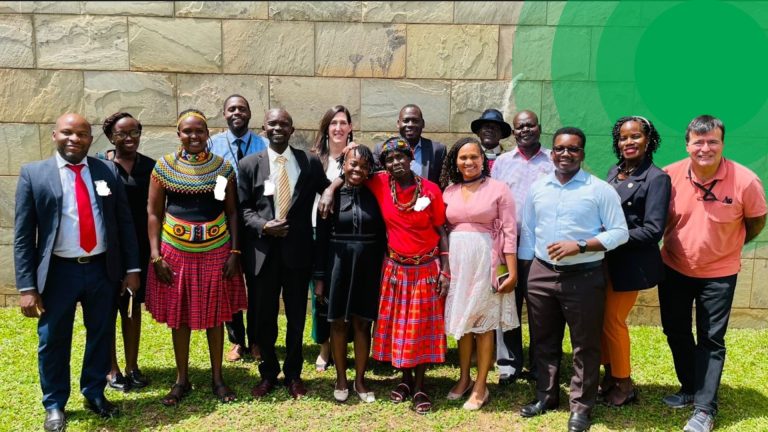 ResilientAfrica Network (RAN 1.0)Launched in 2012 with USAID, the ResilientAfrica Network (RAN) is the largest network of African universities dedicated to strengthening the resilience of communities facing recurrent shocks and stresses, uniting 32 universities across 25 countries.View project
Have a challenge we could tackle together?
We partner with governments, universities, funders and communities to turn evidence and innovation into lasting resilience.