

Authors: Dr. Roy William Mayega and Dr. Julius Ssentongo
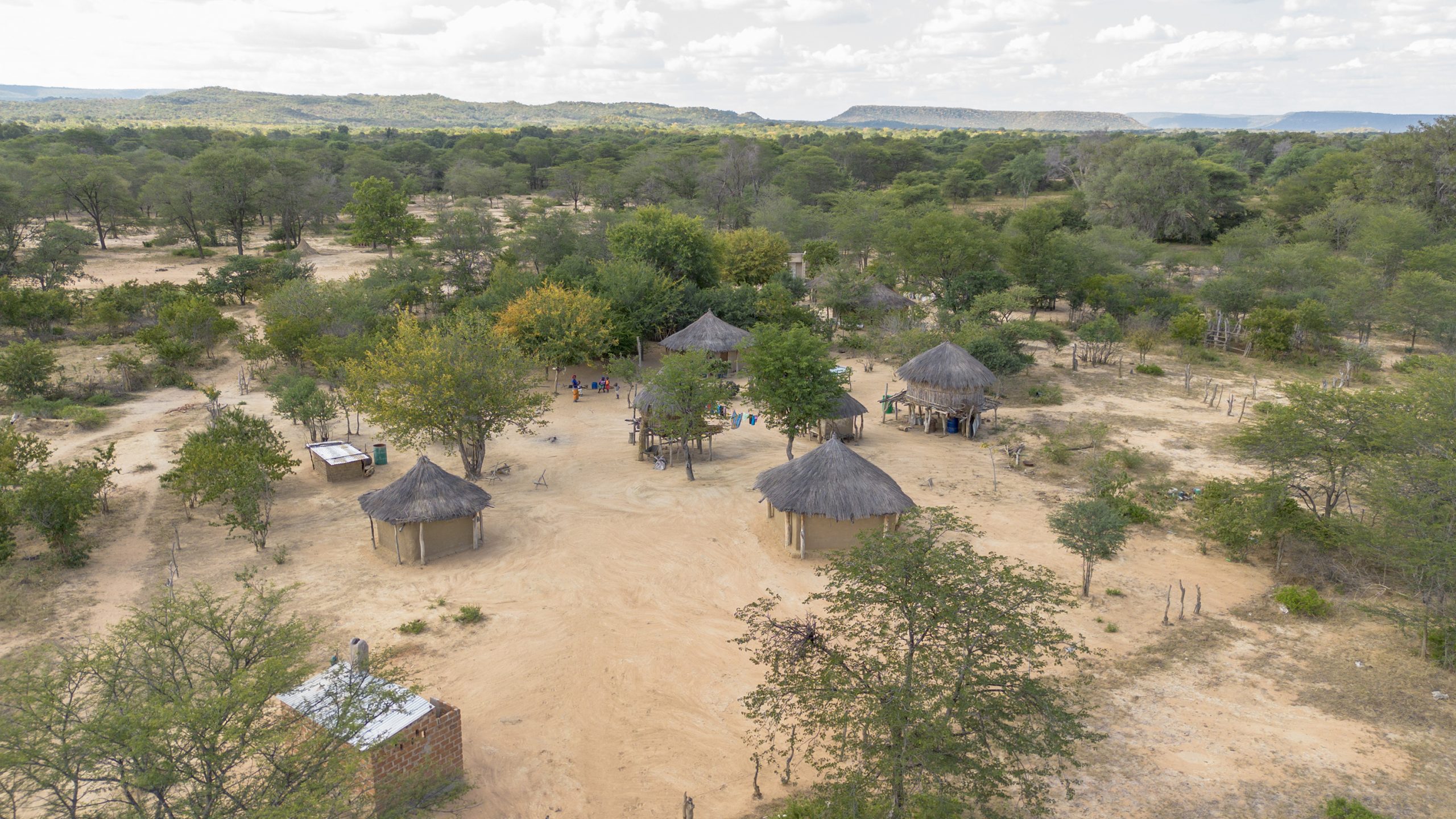
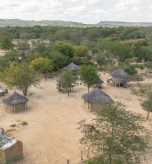
Photo Credit: Unicef Zimbabwe
Since gaining independence in 1963, Kenya has achieved significant progress in expanding access to education. Major reforms, such as the introduction of Free Primary Education (FPE) in 2003 and the adoption of the Competency-Based Curriculum (CBC) in 2017, have substantially increased enrollment and modernized teaching and learning approaches. Despite these advances, the country’s education system remains highly vulnerable to various disruptions that challenge its resilience and long-term sustainability.
ESR in times of Polycrisis
Environmental and climate-related disruptions pose one of the most persistent threats, particularly in the Arid and Semi-Arid Lands (ASALs). Recurrent droughts, floods, and extreme heat—intensified by climate change—regularly damage school infrastructure, disrupt academic calendars, and exacerbate food insecurity and malnutrition. In the northern regions such as Turkana, Garissa, and Marsabit, prolonged droughts have led to widespread school absenteeism, forced migration of pastoralist communities, and increased pressure on already scarce water resources. Schools often close due to water scarcity, while hygiene-related diseases spread, especially in pre-primary centers. Extreme heat reduces learners’ concentration and attendance, and teacher absenteeism rises during these crises. Adolescent girls face heightened risks of early marriage, and institutional responses tend to be reactive rather than proactive. Child hunger in schools and the broader outcome of malnutrition are also a major consequence of the prolonged droughts amidst the inability of poor families to provide lunch and snacks for school-going children as well as the insufficient reach of school feeding programs. Most schools lack climate-adaptive infrastructure or comprehensive preparedness plans. Although Kenya has developed a Climate Change Education Strategy (2021–2030), the integration of disaster risk reduction (DRR) into teacher education and daily school practices remains limited.
Health crises further undermine system stability. Epidemics (especially of sanitation related diseases) and pandemics (most notably COVID-19) cause substantial disruptions to schools and individual students. COVID-19 forced widespread school closures affecting over 18 million learners. The rapid shift to remote learning exposed deep inequities: many rural and low-income households lacked access to devices, reliable internet, or electricity. Teachers often lacked sufficient digital literacy, while families struggled with connectivity costs. These disruptions contributed to significant psychosocial challenges, including increased teenage pregnancies, child labor, and school dropouts. The experience highlighted the limitations of radio, television, and digital platforms in reaching the most marginalized learners.
Violent conflict and insecurity present another major challenge, especially in Northern and Coastal regions of Kenya. Threats from terrorism (such as Al-Shabaab attacks), ethnic conflicts, and cattle rustling frequently interrupt schooling. Teachers are often reluctant to work in insecure areas, and conflict-sensitive training remains inadequate. Refugee influxes from neighboring countries, particularly Somalia, add further pressure on local education resources. While policies such as the Nomadic Education Framework and mobile schools exist, their implementation faces cultural, logistical, and financial barriers.
Economic pressures compound these vulnerabilities. Unemployment, inflation, and the economic fallout from disasters reduce households’ capacity to support education. Even minor school-related costs become unaffordable for poor families, leading to absenteeism and dropouts. Girls are especially vulnerable to early marriage or child labor when families can no longer sustain their education. At the institutional level, under-resourced schools struggle to maintain quality or respond effectively to crises. Early Childhood Education (ECE) access remains limited for the poorest children, while high transition costs in secondary education further marginalize vulnerable learners. Teacher training institutions also face financial constraints that limit both pre-service and in-service development.
How Kenya conceptualizes Education System Resilience
While resilience is like an elephant without a single or shared definition, Kenya conceptualizes ESR primarily through the lenses of emergency management and adaptive capacity. This approach has been shaped by the country’s experiences with COVID-19 and climate change, with a strong emphasis on training education practitioners in disaster risk reduction and resilience-building. Policy documents, including the Education Sector Plan (ESP) 2023–2027, reflect lessons from the pandemic. The ESP includes a strategic goal on “Mainstreaming crosscutting, pertinent, and contemporary issues,” explicitly recognizing the need for a resilient education system capable of withstanding shocks such as pandemics, climate change, and technological risks.
Equitable policies are shaping resilience
Several practices support education system resilience. Kenya maintains a robust policy and legal framework, anchored in the 2010 Constitution, which guarantees the right to free and compulsory basic education. Key legislation includes the Basic Education Act (2013) and the Children Act (2022). Innovative reforms such as the Competency-Based Curriculum, the Digital Literacy Programme (DLP), and the Policy Framework for Nomadic Education demonstrate efforts to build inclusivity and adaptability. The Ministry of Education has piloted an Education in Emergencies Policy, while the ESP emphasizes integration of emergencies, climate change, ICT, and other contemporary issues. The Digital Literacy Programme, which distributed tablets and provided teacher training—particularly in rural areas—was scaled during COVID-19 to support learning continuity. Kenya has also strengthened its Education Management Information System (EMIS) for better planning in emergency-prone counties and collaborates with the National Drought Management Authority (NDMA) to link early warning systems with school contingency planning. Teacher capacity building in blended learning and mental health literacy has been enhanced through partnerships with UNICEF, UNESCO, and teacher training colleges. Additionally, peace education is being integrated into school and tertiary curricula to foster conflict prevention and social cohesion.
On Gender, Equity, and Social Inclusion (GESI), Kenya has made targeted efforts. These include a re-entry policy for adolescent mothers, gender-responsive pedagogy, inclusive teacher training, and disability-friendly infrastructure. School feeding programs and capitation grants, especially in arid and marginalized areas, have helped stabilize attendance and reduce gender disparities during crises. The Nomadic Education Programme offers mobile schooling and boarding subsidies to address regional inequalities in pastoralist communities.
What can Kenya do going forward
Kenya should embark on mainstreaming of DRM in Education Sector Plans at all levels. DRM should appear as one of the strategic pillars in these ESPs. There is a need for further investment in expansion of DRR investments in the education system, from infrastructure (both class room and digital access), to teacher training, curriculum strengthening and expanding digital education access to rural areas. Kenya has successful case studies that need to be brought to scale. Experiments that have been conducted in peace education, mobile education for nomadic communities and re-integration for interrupted schooling can be supported to extend their reach. There is also need for more multisectoral coordination with other sectors that address shocks affecting education e.g. DRR, Health, ICT, Gender etc. In implementing these initiatives, Kenya can draw lessons from other countries in implementing various innovations including: Developing ESPs that integrate DRR , Investments in ICT (Rwanda and Cameroon), integration of climate and DRR issues into teacher education and curricula, climate sensitive planning (e.g. climate resilient infrastructure in Madagascar), Conflict sensitive planning (e.g. peace education in Nigeria), contingency planning for emergencies, catch-up and psychosocial education (South Sudan and DRC), and increasing community agency in supporting education in crisis (Somalia)
Conclusion
Overall, while Kenya has established progressive policies and demonstrated innovation in responding to disruptions, significant gaps remain in resources, implementation, and institutional preparedness. Strengthening adaptive infrastructure, consistent funding, and systematic integration of resilience across all levels will be critical to building a more robust education system capable of withstanding future shocks.