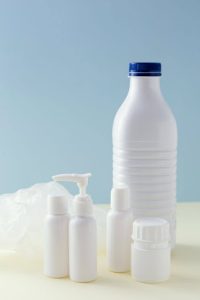


This project run an innovation challenge between 2018 and 2019, with funding from Johnson & Johnson, with the aim of getting new technology or approaches for single-dose packaging of water-containing fluids such as detergents, lotions, and similar products. The project also addressed several interconnected challenges such as; reducing product waste from partial use of larger packages, improving dosage accuracy for effective use, enhancing portability for mobile populations, and addressing environmental concerns associated with packaging waste.
RAN implemented this project using an open innovation methodology together with technical expertise from Makerere University’s Engineering and Materials science departments. The initiative began with comprehensive problem definition, analyzing existing packaging solutions, identifying failure modes in current approaches, and understanding user behaviors with small-dose products in various contexts including healthcare, household use, and humanitarian settings. This was followed by the prototyping phase. The innovation process engaged multidisciplinary teams including engineering students, packaging designers, materials scientists, and product development experts through a structured innovation sprint.
The project also investigated user-centered design aspects, studying how different populations interacted with small-dose packaging including children, elderly users, and people with limited dexterity. Cultural considerations were incorporated, recognizing that packaging preferences and usage patterns varied across different markets and user segments. Technical testing evaluated prototype performance under realistic conditions including temperature variations, transportation stresses, and extended shelf life requirements.