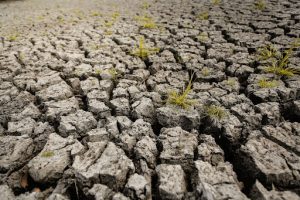


This UNDP-funded project initiated in October 2014 represented an effort to integrate climate change adaptation and disaster risk management in Uganda’s development planning. The project sought to address the need to move from reactive disaster response to proactive risk management in a country increasingly vulnerable to climate-related hazards including droughts, floods, landslides, and extreme weather events.
The research component involved comprehensive vulnerability and risk assessments across multiple regions, employing geographic information systems (GIS) for spatial analysis of hazard exposure, sensitivity mapping of ecosystems and communities, and adaptive capacity assessments of local institutions. Key research activities included historical climate trend analysis using meteorological data spanning several decades, projection of future climate scenarios using downscaled global climate models, and documentation of indigenous knowledge and coping strategies for climate variability.
The research revealed significant gaps in Uganda’s institutional framework for climate and disaster risk management, including fragmented mandates across ministries, limited technical capacity at local government levels, and inadequate integration of climate considerations into sectoral planning. The study also documented the differential vulnerabilities of various population groups, with women, children, elderly, and people with disabilities facing disproportionate risks due to social, economic, and cultural factors. A particularly innovative aspect of the research was its focus on the interconnections between climate change, ecosystem services, and disaster risk, highlighting how deforestation, wetland degradation, and soil erosion were exacerbating community vulnerability to climate shocks.
The project developed risk profiles for selected districts, identifying priority areas for intervention based on hazard probability, potential impact, and existing coping capacity. These profiles informed the development of integrated climate and disaster risk management plans that combined structural measures (such as flood protection infrastructure) with non-structural approaches (including early warning systems, land-use planning, and livelihood diversification). The research contributed to Uganda’s national reporting under the UN Framework Convention on Climate Change and informed subsequent climate finance proposals.